


 + points earned!
Understanding Self-Care, Managing Stress, and Avoiding Burnout
- 13 November 2026
- Home Nursing Foundation

The caregiving journey is often described as a marathon rather than a sprint. While dedicating your time, energy, and love to a family member or loved one is deeply noble, it can also be physically, mentally, and emotionally demanding. Many caregivers naturally pour all their resources into their care recipients, often forgetting a fundamental truth: to care for someone else effectively, you must first care for yourself.
Understanding self-care, recognising the signs of stress, and knowing how to take a proper break are vital steps to sustaining your well-being over the long haul.
What is Self-Care, and Why is it Essential?
Self-care is not a luxury or an act of selfishness. It is the intentional and active maintenance of your own physical, emotional, and mental well-being. When you are the primary pillar of support for a loved one, prioritising yourself can easily feel counterintuitive or even guilt-inducing. However in reality, neglecting your own needs creates a dangerous deficit that affects not only you, but the loved one you are caring for.
When caregivers are unable to function in their usual capacity due to compromised well-being, the care recipient inevitably suffers as well. Caregiving requires immense patience, sharp focus, emotional presence, and physical stability.
Eventually, physical exhaustion and unmanaged stress culminate in caregiver burnout, making it nearly impossible to continue providing effective care. In many cases, the detriment of mental exhaustion can be even harder to recover from than physical fatigue.
You can find more resources on caregiver well-being and self care information here or look at self care guides from SG Enable and Homage.
Ripple Effects On Your Loved One
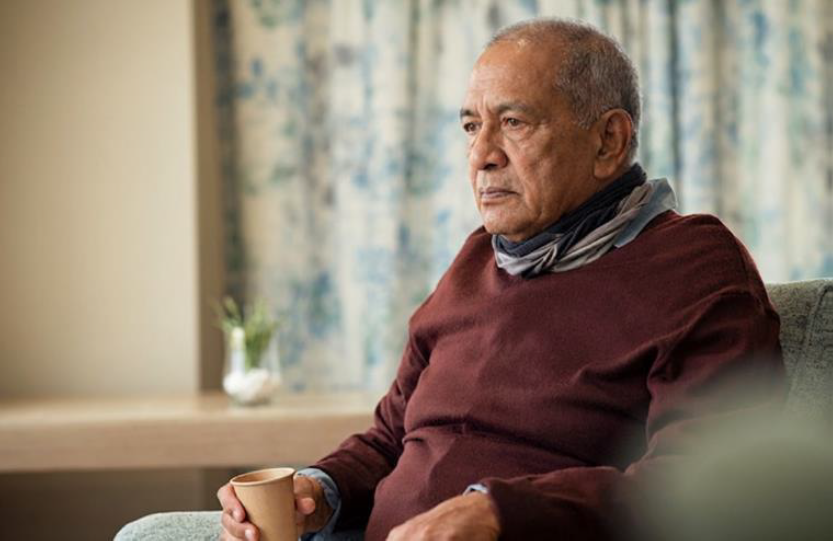
Image from Canva
Compromised Safety: When a caregiver is chronically sleep-deprived, physically exhausted, or mentally burned out, their reaction times slow down, and cognitive fogginess sets in. This drastically increases the risk of accidents—such as mismanaging medications, making mistakes during transfers, or failing to notice hazards—which directly threatens the physical safety of the care recipient.
Emotional Strain and Reactivity: Unmanaged stress and burnout often transform patience into irritability, frustration, or emotional detachment. Care recipients can easily sense this shift, leading to feelings of guilt, anxiety, or emotional distress as they perceive themselves to be a "burden."
Declining Quality of Care: A depleted caregiver simply cannot offer the same quality of engagement, warmth, and attentive interaction. When the caregiver’s emotional and physical reserves are empty, caregiving can devolve into mechanical, resentful routine rather than compassionate support, negatively impacting the overall quality of life for the care recipient.
Tips to Maintain Your Well-Being
Physical:

Image from Canva
- Prioritise restorative sleep
- Maintain a balanced diet
- Keep up with your own medical appointments
- Incorporate short, daily walks, stretches and simple exercises
Emotional:

Image from Canva
- Acknowledge and express your feelings without guilt
- Carve out time for personal hobbies
- Maintain relationships with friends and family
- Connect with peer support groups to share your load
Mental:

Image from Canva
- Set realistic caregiving boundaries
- Practice daily deep-breathing or mindfulness to calm stress
- Seek professional counselling when you feel persistently overwhelmed
Recognising Burnout and Stress
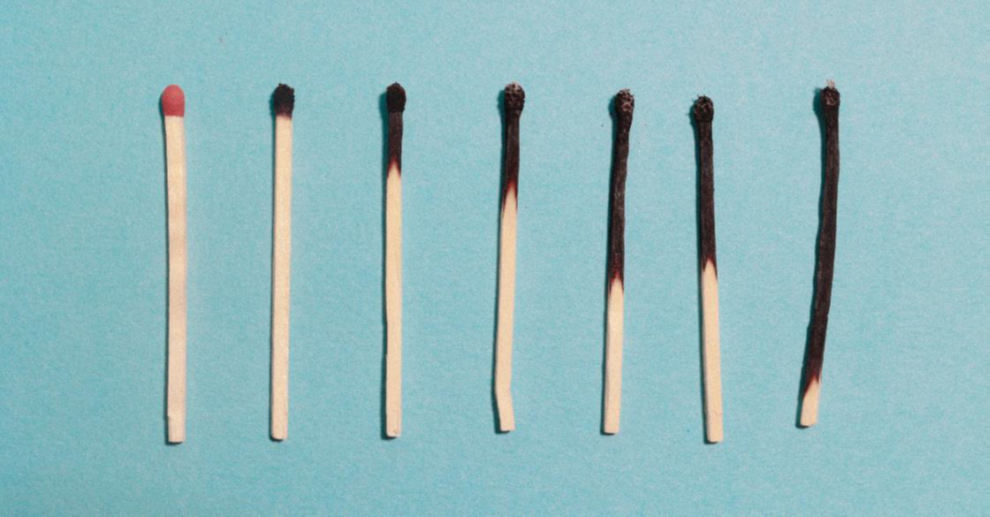
Image from Canva
Burnout occurs when the continuous, high-pressure demands of caregiving completely drain your emotional and physical reserves. Because caregivers are often hyper-focused on their loved one's needs, they frequently fail to notice their own declining well-being until they reach a breaking point. Regularly checking your stress levels is vital to catching these symptoms early before they take a heavy toll on your health.
Caregivers are strongly encouraged to visit Carers Hub, which provides valuable resources, guidance, community and access to Caregiver Self-Assessment such as the Caregiver Well-being Index, the Zarit Burden Interview and the Caregiver Needs Screening Tool.
These self-evaluation tools allow you to systematically score your stress levels, review how caregiving is impacting your physical and mental health, and determine whether you are entering the danger zone of burnout. Utilizing these online evaluations can help you recognize early warning signs and prompt you to seek timely professional support, community respite, or counselling before the burden becomes unmanageable.
The Emotional Shift: From Compassion to Detachment
A major red flag of burnout is when your fundamental attitude toward your care recipient shifts from a place of compassionate care to one of frustration, resentment, or emotional detachment due to extreme exhaustion. You might find yourself feeling impatient over minor requests, dreading daily caregiving tasks, or feeling emotionally numb.
This shift is not a reflection of your character or your love for your family member. Instead, it is a psychological alarm bell signalling that your mind and body are profoundly depleted and desperately need intervention.
Additional Warning Signs to Watch For

Image from Canva
Beyond emotional detachment, caregiver burnout manifests through a wide array of physical, behavioural, and psychological symptoms, including:
- Persistent Changes in Appetite or Disrupted Sleep Patterns:
You may experience sudden weight fluctuations, loss of appetite, or overeating. Sleep issues are also common—ranging from insomnia and trouble falling asleep due to a racing mind, to waking up exhausted despite spending hours in bed.
- Loss of Interest in Hobbies and Social Withdrawal:
Activities, sports, or creative outlets that once brought you joy may suddenly feel like chores or become entirely unappealing. Coupled with fatigue, this often leads to isolating yourself from friends and social circles, cutting off vital external support systems.
- Frequent, Overwhelming Feelings of Anxiety, Helplessness, or Uncharacteristic Anger:
You may live in a constant state of low-level panic or hyper-vigilance about your loved one's health, accompanied by a sense of hopelessness that things will never improve. Uncharacteristic irritability or sudden, intense outbursts of anger over minor inconveniences.
Practical Strategies for Managing Stress and Avoiding Burnout
Managing stress is about building resilience and finding healthy coping mechanisms. You can protect your peace and stamina by integrating these practices into your daily life:
- Acknowledge and Accept Your Limits: Realise that you cannot do everything on your own, and accept that you have human limitations. Set realistic goals, learn to say "no," and allow yourself to leave certain non-essential tasks undone.
- Process Your Emotions: Do not bottle up feelings of anger, frustration, or guilt. These emotions are entirely natural. Find safe outlets to let off steam—whether that means writing in a journal, crying when you need to, or engaging in physical exercise like a quick run.
- Prioritise Rest: Focus on cultivating deep, restorative rest rather than simply aiming for more hours in bed. Establish a calming pre-sleep routine like reading or dimming the lights to transition your mind and body out of caregiving mode. Optimise your sleep environment such as keeping your bedroom cool, dark, and quiet. Finally, avoid heavy meals, caffeine, alcohol, and screens close to bedtime to protect your deep sleep cycles.
- Cultivate a Support Network: You do not have to walk this path alone. Share your concerns with trusted friends, family members, or a professional counsellor. Joining caregiver support groups and online communities can also connect you with peers who understand your struggles, offering a space to share practical tips and emotional validation. Start here at Carers Hub to explore support groups, online forum communities and start connecting with other caregivers!
Taking Breaks
A core pillar of self-care is respite—taking a short period of rest or relief from your caregiving duties to recharge your batteries. Stepping away temporarily is necessary to maintain your health and clear your mind.
 Image from Canva
Planning for a break involves a few intentional steps:
- Build Your Care Circle: Map out who you can depend on. Speak openly with family members and friends, and assign specific tasks to those who offer to help. If family members lack the confidence to look after your loved one, encourage them to attend caregiving courses (such as those supported by training grants) to build their skills.
- Create a Personal Respite Zone: Designate a physical space in your home—such as your bedroom, a spare room, or a quiet corner—where you can feel totally relaxed while your loved one rests or is looked after. Use this time for activities that take your mind completely off caregiving, like reading, writing, or listening to music.
- Tap Into Community Respite Services: You don't have to rely solely on informal networks. Explore professional community care services and caregiver support options. These can range from home-based support (such as assisting with daily living activities or elder-sitting) to centre-based or nursing home respite care. These services are especially useful when you need a few hours off during the day, a break on certain days of the week, or cover when your primary help (such as a domestic helper) goes on home leave.
Moving Forward
Caregiving is an act of profound love, but it should never come at the expense of your own existence and health. By actively practicing self-care, setting boundaries, recognizing when you need support, and routinely taking well-deserved breaks, you protect your own well-being.
Remember: taking care of yourself is ultimately one of the best ways to ensure you can provide the best, most sustainable care for your loved one.
DISCLAIMER: The information provided in this article is for educational and informational purposes only and is not intended as professional medical, psychological, or mental health advice, diagnosis, or treatment. Always seek the advice of your physician, qualified healthcare provider, or mental health professional with any questions you may have regarding a medical condition or personal health. If you are experiencing a mental health crisis, severe burnout, or a medical emergency, please contact your local emergency services or a professional support hotline immediately.
References: