
 + points earned!
Elderly Wound Care at Home
- 20 November 2026
- Home Nursing Foundation
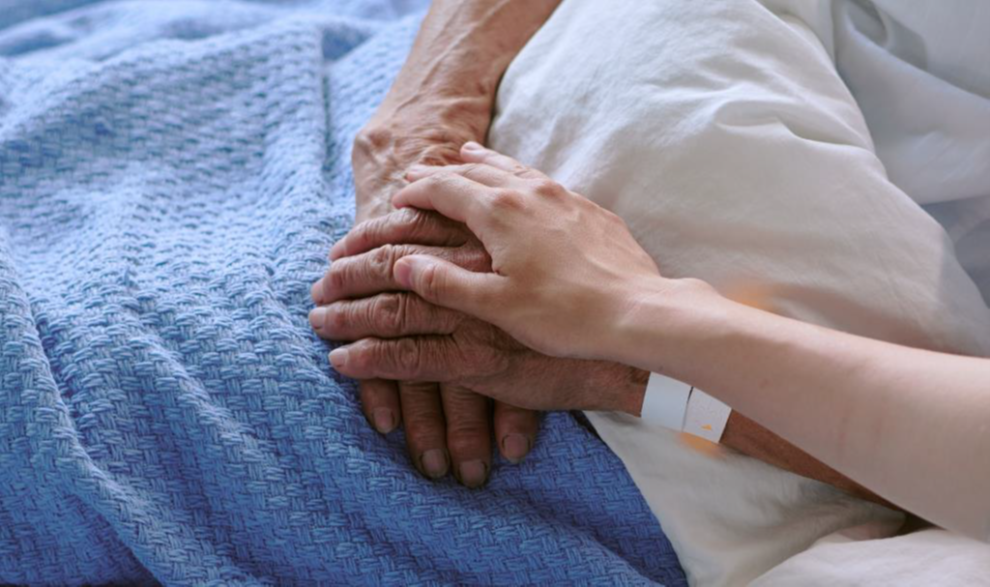
Looking after an older loved one's wounds is one of the most vital yet challenging responsibilities a caregiver can undertake. As we age, natural physiological changes significantly delay the body's natural healing process. What might start as a minor scrape, skin tear, or everyday bump can quickly escalate into a persistent sore, deep infection, or complex medical concern if not treated promptly and properly.
Caregivers looking after their loved ones at home often feel overwhelmed by the technicalities of proper wound treatment. This comprehensive guide is designed to empower you with essential knowledge, step-by-step dressing protocols, recommended wound-care supplies, and crucial warning signs that signal when to seek urgent medical attention. By learning these fundamentals, you can promote faster healing and keep your older loved one safe, comfortable, and well-protected right at home.
Seniors and Wounds
Older adults develop wounds more easily because ageing makes the skin thinner, weaker, and less resilient. Recovery also slows as circulation, nutritional status, and immune function change. Diabetes, reduced movement, and ongoing illness can increase these risks further.
Several age-related changes make skin damage more likely and delay repair:
- Thinner epidermis: A more delicate outer layer is easier to split or tear.
- Lower collagen levels: Reduced collagen leaves the skin with less strength and support.
- Poorer circulation: Damaged tissue receives less oxygen and fewer nutrients.
- Reduced sensation: An injury may occur without the person noticing it promptly.
- Slower immune response: Infection is more likely and tissue repair takes longer.
- Medicines: Steroids, blood thinners, and some diabetes treatments can influence healing.
- Long-term health problems: Diabetes, vascular disease, and poor nutrition can interfere with wound repair.
Common Types of Wounds
Pressure Injuries (Bedsores):
- What is it:
These injuries develop when pressure remains on the skin for too long, especially over the hips, heels, tailbone, and other bony points. Older people who cannot change position easily face the greatest risk.
- How it looks:
- Early Stage: The skin remains intact but may appear discolored (red, purple, or blue depending on skin tone) and does not turn white when pressed.
- Advanced Stage: The skin breaks down completely, forming an open sore or crater that can expose underlying fat, muscle, or bone. The edges may be defined, and the base may show discoloured tissue or drainage.
Diabetic Ulcers:
- What is it:
Diabetes can damage nerves and reduce blood flow. Together, these problems make foot ulcers easier to develop, harder to feel, slower to close, and more vulnerable to infection.
- How it looks:
They often look like a punched-out crater with a well-defined border. The surrounding skin may be thickened, callused, or discolored. Because nerve damage often accompanies diabetic ulcers, the area surrounding the wound may lack normal sensation, meaning the individual might not feel pain. The base of the ulcer is typically pink or red if healing, but may contain yellow or black tissue if infected or lacking adequate blood flow.
Venous Stasis Ulcers:
- What is it:
When leg veins do not return blood effectively, fluid and pressure build up. The surrounding skin may then break down, most often near the ankles.
- How it looks:
They tend to have irregular, shallow borders with a red or pinkish base that may produce moderate to heavy fluid drainage. The surrounding skin often shows signs of chronic venous insufficiency: it may appear brownish or reddish-brown (due to iron deposits from pooled red blood cells), feel firm or thickened, and exhibit swelling or varicose veins.
Skin Tears:
- What is it:
Because older skin is fragile, even a minor knock, rubbing, or sliding force can create a tear, commonly on the hands, arms, or legs.
- How it looks:
- They resemble a partial or complete flap of skin that has been lifted or peeled back.
- Partial-thickness: The skin flap can still be repositioned to cover the wound bed.
- Full-thickness: The skin flap is completely missing, exposing the entire wound bed. The surrounding skin may appear paper-thin and easily bruised.
Surgical Wounds:
- What is it:
Recent surgical cuts must be monitored and dressed carefully so that infection is avoided and the wound edges can close properly.
- How it looks:
A healthy healing surgical wound appears as a clean, closed line with edges neatly approximated. Initially, mild redness, slight swelling, and minor tenderness right along the line are normal. As healing progresses, the line fades into a flat scar. Signs of concern include spreading redness, warmth, foul-smelling drainage, or separation of the wound edges.
Traumatic Wounds:
- What is it:
Falls and everyday accidents may cause cuts, grazes, or abrasions. In an older adult, these seemingly minor injuries can become more significant because healing is slower.
- How it looks:
- Abrasions: Superficial scrapes where the topmost layer of skin is rubbed away, often showing tiny pinpoint bleeding spots.
- Lacerations/Cuts: Jagged or straight tears in the skin layers caused by blunt force or sharp objects. In older adults, because the surrounding skin is thin, the edges of the cut may be fragile, and bruising is frequently present around the injury site.
Common Senior Skin Conditions
Older skin is vulnerable to excess moisture and fungal overgrowth, which can produce different problems requiring specific care:
- Moisture-Associated Skin Dermatitis (MASD):
Continued contact with urine, faeces, perspiration, or wound fluid can soften and waterlog the skin. It may look white, soggy, red, tender, or peeled and can become infected by bacteria or fungi.
- Fungal Rashes:
Fungi multiply readily in warm, damp folds such as the groin, armpits, beneath the breasts, and between the toes. The rash is often red and itchy. Keep the area clean and dry, and use prescribed antifungal treatment, such as miconazole, exactly as directed.
General Cream & Powder Application Guidelines
| Rule | Best Practice for You |
| Layering Order | Put prescribed treatment products, including antifungal, steroid, or antibacterial creams, directly on the skin first. Add the barrier spray or cream afterwards. |
| Powders & Creams | Use only a light coating. Do not blend cream and powder together because the resulting clumps may hold moisture against the skin and increase damage. |
| Condition Assessment | Different skin problems can resemble or occur alongside one another; for example, MASD may be mistaken for pressure damage. Ask the community nurse if the cause is unclear. |
| Professional Follow-up | Speak with a nurse when redness, a rash, or a small wound is not improving after three to five days, or sooner if swelling or warmth appears. |
Dressing Changes - “CLEAN IT”
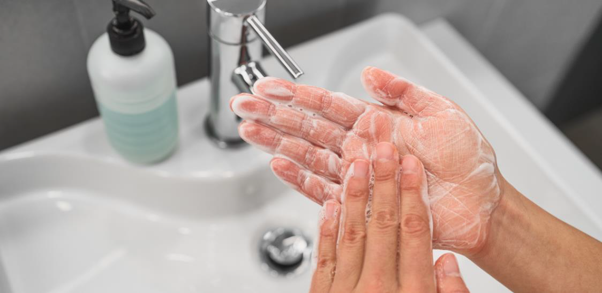
Image from Canva
For routine dressing changes, use the “CLEAN IT” sequence to work safely and consistently:
C – Clean Hands: Wash with soap and water, dry your hands, and put on disposable non-sterile gloves.
L – Loosen & Remove Old Dressing: Ease adhesive off in the direction of the skin rather than pulling upward. If the dressing is stuck, soften it with saline first.
E – Examine the Wound: Look closely for infection, new or worsening swelling, unusual discharge, or an unpleasant smell.
A – Apply Saline Solution: Rinse gently with normal saline, working from the centre towards the edges in circles. Dab dry using non-woven gauze; do not use alcohol or cotton wool on the wound.
N – New Dressing: Place a sterile dressing that extends slightly beyond the wound, and secure it with skin-friendly medical tape. Do not tug on a skin flap.
I – Items Disposed Safely: Place used dressings, gauze, and gloves in a bag, close it securely, and discard it appropriately.
T – Tidy Up & Wash Hands: Clear the work area, take off the gloves safely, and wash your hands again.
Choosing the Right Dressing
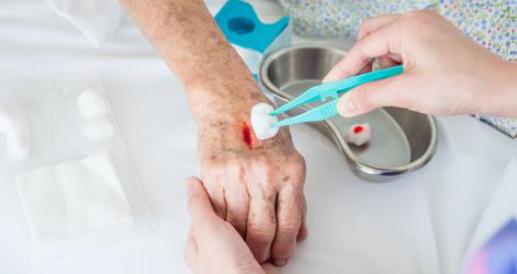
Image from Canva
A suitable dressing shields the injury, controls extra fluid, and supports a moist environment for repair. Selection should be guided by a healthcare professional according to the wound type, depth, and drainage level:
Gauze: Offers coverage and absorbs fluid, although it may adhere to the wound surface.
Transparent Films: Make the site easy to inspect and retain moisture, but have limited capacity to absorb drainage.
Hydrocolloids: Turn into a gel over the wound, preserve moisture, and manage small to moderate amounts of fluid.
Foams: Provide cushioning and strong absorption for wounds producing moderate or larger amounts of drainage.
Alginates: Seaweed-based dressings with high absorbency, suited to wounds with heavy fluid loss.
Dressing Change Tips
- Clean the wound from the centre outward in a gentle circular motion.
- Do not use alcohol or cotton balls directly on the wound.
- Do not peel off any scab or skin flap.
- If there is a loose flap, gently realign it over the wound.
- Keep the wound dry when showering — cover it with a plastic wrap or waterproof film.
- For Stage 2 wounds or skin tears, cover with Urgotul or Inadine and gauze as advised.
- Always keep the dressing dry and intact.
Recommended Home Supply List
Store the following supplies together in a clearly labelled home-care box and replace items before they run out:
- Sterile sodium chloride (normal saline) for wound cleansing
- Disposable latex-free gloves and scissors intended for medical use
- Non-woven gauze and hypoallergenic tape suitable for delicate skin
- Purpose-made dressing packs and absorbent secondary pads
- Crepe bandages and prescribed contact-layer products such as Inadine or Urgotul
- Drawsheets and absorbent underpads for moisture control and bedding protection
- Foam dressings for cushioning early risk areas or shallow wounds when recommended by a nurse
- Positioning wedges or pillows for a supported 30-degree tilt and heel offloading
- Ostomy powder
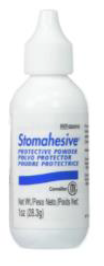
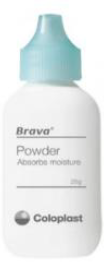
Images for illustrations purposes only
- Barrier Sprays and Barrier Creams
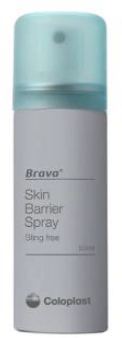
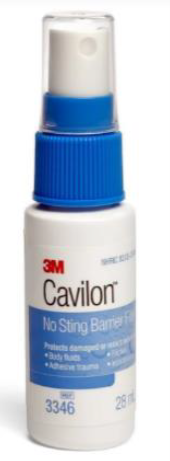
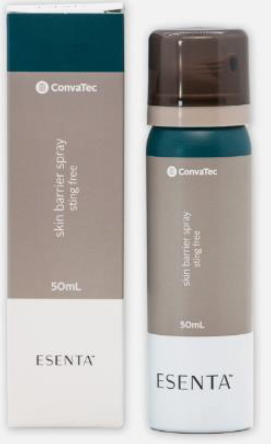
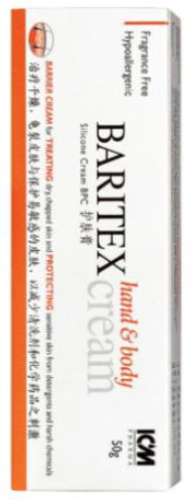
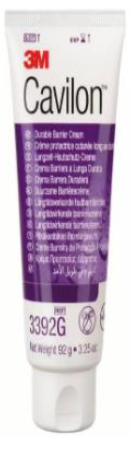
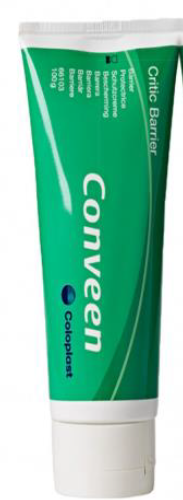
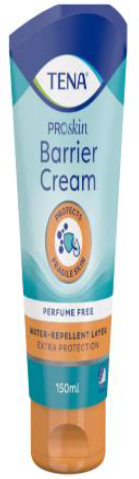
Images for illustrations purposes only
- Prescribed Antifungal Cream and Powder
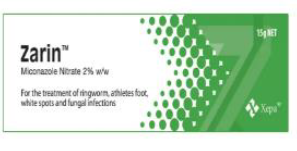
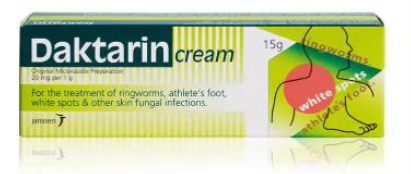
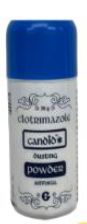
Images for illustrations purposes only
When to Seek Urgent Medical
Call the healthcare team or emergency services at once if an older loved one shows any of these warning signs:
- Redness that spreads, increasing heat, pulsating pain, or pus around the wound.
- A fever that remains above 38°C.
- A strong, unpleasant smell coming from the wound or its dressing.
- Rapid enlargement or deepening of the wound, especially when muscle or bone becomes visible.
- Heavy, sudden, or persistent bleeding from a skin tear or surgical wound.
Disclaimer: This article is for informational purposes only and should not replace professional medical advice, diagnosis, or treatment. Every senior's health profile is unique. If you are ever unsure, notice sudden changes, or feel something is amiss, always consult a qualified medical professional. Home Nursing Foundation (HNF) does not endorse or sponsor any of the products mentioned. The images are for illustration purposes only.
You may also like