

 + points earned!
How to Support the Mood Changes of Your Loved One
- 23 October 2026
- Home Nursing Foundation
You may find that your loved one has become more irritable than usual, finding issues with things they previously had no problems with. Or you might notice that they become more easily frustrated by simple tasks. Some seniors become more withdrawn and quiet, losing interest in activities they once enjoyed.
It can feel unsettling to notice a change in your loved one’s personality. It’s also normal as a caregiver to worry and even jump to conclusions like clinical depression.
In fact, sudden mood swings in elderly are common, and they don’t always mean that cognitive decline is happening.
These emotional shifts are usually their way of communicating when something feels off. The underlying cause could be physical discomfort, poorer-quality sleep, or a change in their daily routine. When you try to understand the ‘why’ behind their changing behaviour, you can better identify what your loved one needs support with.
Why is my elderly loved one having mood swings?
You may have found yourself thinking ‘they’re just being difficult’ when your elderly loved one suddenly snaps or gives you the silent treatment.
Experiencing their changing emotions firsthand can make it seem as though their criticism and anger are directed at you personally.
When you’re already doing the best you can, these mood swings may make you feel unappreciated and overwhelmed.
However, older adults often express physical discomfort through emotional changes because they find it hard to put what’s wrong into words. Sometimes, this anger may result from frustration and a lack of energy to express themselves.
Personality changes in the elderly usually occur for a few primary reasons:
1. Hidden physical discomfort
Our bodies change physically as we age. Things that used to just be minor inconveniences (joint ache, inadequate sleep) can become overwhelming on an older adult’s mental and emotional capacity.
When we’re younger, we can recover quickly. We could have powered through a workweek on inadequate sleep and caught up on rest over the weekend. Joint pain could be treated with some painkillers, and we’d go on with our day if it wasn’t anything serious.
But for the elderly, these can feel magnified and frustrating.
- Chronic pain or arthritis: A sudden flare-up or constant, low-grade aching can make them highly irritable and easily frustrated.
- Poor sleep: Ageing often disrupts sleep patterns. Insomnia or frequent nighttime waking can make them more exhausted and emotionally fragile during the day.
- Hunger or dehydration: Older adults naturally lose their sense of thirst and appetite, leading to blood sugar crashes or mild dehydration, which can cause moodiness.
- Side effects of medicine: Drug interactions can have side effects such as fatigue or mood changes.
- Constipation: Constipation traps gas, leading to bloating and abdominal cramps.
- Minor infections: Minor infections (such as a hidden urinary tract infection/UTI) can cause behavioural changes in older adults.
Caregiver tip: Do a physical check first
Check: Have they taken enough water lately? Did they sleep well? Are they due for pain medication, or do they need a small snack? Solving a hidden physical discomfort can help to restore their emotional balance.
If your loved one is in pain, this guide provides some information on non-medical pain relief options for the elderly.
2. Grief about changes in independence
Your loved one may be grieving the changes brought about by ageing or a medical condition. These may include losing physical abilities, independence, familiar routines or the role they once held within the family.
Such changes can affect their sense of identity, dignity and purpose. They may also find themselves reflecting on whether they have lived a meaningful and fulfilling life. This grief can show up as sadness, anger, mood swings or withdrawal.
These changes may cause their distress:
- Relying on others for personal care: Needing help with basic, private tasks like dressing, toileting, or bathing can make them feel exposed and experience a loss of dignity.
- Changing family roles: Someone who previously cared for or provided for the family may find it difficult to become the person receiving care.
- Reduced mobility and independence: Relying on a cane, walker, or wheelchair, or simply being unable to walk as fast as they used to, may prevent them from doing activities they once loved.
- Fear of being a burden to family: Many seniors may feel ashamed of the time their family members spend caring for them. This constant worry can cause them to isolate themselves.
- Questioning their sense of purpose: Changes in health and independence may lead them to reflect on their identity, achievements and place within the family.
Caregiver tip: Acknowledge their feelings
These practical changes in their lives usually trigger deep feelings of frustration, embarrassment, or sadness. When your loved one snaps at you for trying to help them get dressed or buy meals, try to remember it isn't really about your personal efforts as their caregiver.
Give them space to talk about these changes and what they mean to them. Listening as they reflect on their life’s meaningful moments, challenges and regrets may help them process their emotions. Acknowledge their feelings without correcting, dismissing or rushing to reassure them:
“I know it feels frustrating when you cannot do this yourself anymore. But we’re family, so let me take care of you like how you looked after me before. No need to feel paiseh.”
3. Changes in the environment
The physical and social surroundings can affect your loved one’s emotional well-being. Sudden or drastic environmental changes may trigger confusion and distress, and they can be challenging to manage, especially if your loved one has dementia or is experiencing cognitive decline.
Key environmental triggers include:
- Loud and crowded places: Busy places can quickly become overwhelming, potentially causing sensory overload and anxiety.
- Too much noise: Constant or sudden loud sounds (such as a loud television, traffic noise, or multiple people talking at once) can cause irritation.
- Unfamiliar surroundings: Being in an unfamiliar place can destabilise their sense of security, leaving them feeling lost or disoriented.
- Disrupted routines: Sudden shifts in daily schedules, such as a different mealtime or unexpected visitors at home, can disrupt the sense of predictability that helps them feel safe.
Caregiver Tip: Try to maintain a predictable environment
It may help to maintain a consistent daily routine and keep your loved one’s immediate environment familiar and calm. If a change in scenery or schedule is unavoidable, prepare them gently in advance and introduce the change slowly so it doesn’t stress them out or disorient them.
4. Loneliness and boredom
Growing older and managing a medical condition could mean spending less time with friends and not being able to do as many activities as they used to. If your loved one used to have a wide social circle and engaged in hobbies daily, the sudden shrinking of their world and lack of activity can affect their mental well-being.
- Reduce social interaction: Losing regular contact with friends, family, or neighbours can make your loved one feel forgotten or invisible. Without meaningful conversation and connection, loneliness can set in, which may show up as low mood and withdrawal.
- Fewer meaningful activities: Having too much unstructured time without a sense of purpose can cause boredom. The lack of mental and physical stimulation can quicken cognitive decline and trigger feelings of worthlessness or irritability.
Caregiver Tip: Gently encourage and help them reconnect with friends and activities
Reduce isolation and the negative feelings that come with it by scheduling regular, predictable points of engagement, like a weekly phone call, a family visit, or a short walk outside.
To target boredom, try some accessible activities that offer a sense of accomplishment or joy. It can be as simple as doing a puzzle or helping with a light, safe household task like folding laundry.
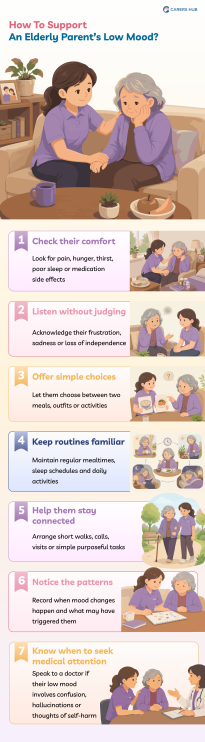
How can I support my elderly parent’s low mood? How can I support my elderly parent’s low mood?
1. Look for patterns or triggers
Sudden changes in their mood may be a reaction to something specific that keeps happening repeatedly. But they may not know what it is, or how to express it. You can help them identify the root cause in the environment by observing what happens right before they experience a mood swing.
Try to get into the habit of noticing the context whenever their mood shifts:
- What happened right before? Did they hear or read information that reminded them of something personal? It could be hearing a song that brought back memories of a certain time in their life. Or maybe every time they eat a certain meal, they’re reminded of a friend or loved one who has passed on.
- What time does it happen? Note whether the change occurs regularly at a particular time, such as the late afternoon or evening.
- Was the environment too chaotic? Was the TV volume too high, or were there too many relatives talking across the room at the same time?
Caregiver tip: Keep a simple log
You don’t need to write long diary entries. Just use your phone's calendar or notes app to write down some observations when they get upset or seem sad. For instance, something like “Friday, around 5pm. Angry before dinner because he didn’t want porridge.”
After some time, you may start to notice patterns that make it easier to prevent the episodes before they begin.
2. Keep a predictable routine
A predictable, everyday routine serves as an emotional anchor, helping them feel secure in their daily lives. This is especially important if your loved one is experiencing memory loss or cognitive decline. Under such conditions, sudden everyday changes can leave them feeling distressed and tired.
Whenever possible, try to anchor their day around these core pillars:
- Regular meal times: Serve breakfast, lunch, and dinner at around the same time every day. This helps regulate their internal clock and supports their digestion and sleep.
- Regular sleeping times: Maintain consistent wake-up times and bedtime routines. The elderly with dementia usually experience less sleep time due to brain deterioration, which can affect the circadian rhythm. Establishing consistent bedtime and wake-up times can help them get better-quality sleep and reduce nighttime wandering.
- Familiar daily activities: Keep them grounded with low-stress, enjoyable tasks, like a morning cup of tea, reading the newspapers, or a short evening stroll.
Caregiver tip: Introduce routine changes gradually
If something needs to be changed in their daily routine, whether it’s starting a new medication or seeing a new doctor, try to introduce these changes gradually into their schedule.
For one-off events like a family gathering, you could try to talk them through what to expect a few days ahead of time, so they don’t feel caught off guard.
3. Let them make choices where possible
If your loved one loses their physical independence, they often feel like they have lost control over their own lives as well. Constantly being told what to do, what to eat, and when to move can make them feel powerless and frustrated.
Even small decisions help restore a sense of control, and offering them choices can help to restore their sense of agency and dignity.
Instead of making all the decisions for them, you can let them choose from a shortlisted range of options:
- What they want to drink or eat: Instead of just serving them what you’ve decided to buy or cook, ask: "Do you want fish or chicken for dinner?" or “Is this brand of tea better than the one we bought last time?”
- What they’d like to do for daily activities: Instead of enforcing a schedule on them, try: "Do you want to go for a walk now, or after lunch?" or “Do you want to visit the museum or park tomorrow?”
- For personal care: Give them some control over their routine: "Would you like to take your shower now, or watch the news first?" or "Do you want to wear the blue shirt or the grey one?"
Caregiver tip: Keep the choices simple
Giving them a wide range of choices can seem like the flexible and generous thing to do, but it could also overwhelm your loved one, especially if they’re tired or managing dementia.
To make it easier to choose, stick to either/or choices between two specific options. Try not to ask them open-ended questions like "What do you want to do today?" which can cause decision anxiety. Giving them two clear choices lets them exercise agency without causing confusion.
Caregiver tip: Create small moments of comfort and connection
Remembering what your loved one enjoys can help them feel seen and cared for. This could mean preparing dishes that they like to eat, playing familiar music, offering a gentle massage if they enjoy it, or spending time on an activity that brings back positive memories.
What matters is choosing something personal that can bring them happiness and reassure them that you are present with them.
When should I get help for serious mood swings?
Mood and behavioural changes may sometimes be related to an underlying condition rather than the immediate situation. Depression may cause persistent sadness, withdrawal or loss of interest, while dementia generally involves changes in thinking and memory that worsen over time.
Delirium is a sudden change in a person’s thinking, awareness or behaviour. Someone who is usually alert and able to communicate normally may suddenly become confused, have trouble recognising familiar people or places, or seem unusually sleepy, restless or agitated.
Delirium is often caused by an underlying health problem, such as an infection, medication side effects, dehydration or changes in the body’s chemistry. The good news is that delirium is often temporary and is reversible when the underlying cause is identified and treated. However, sudden confusion should always be taken seriously and assessed by a healthcare professional.
Avoid trying to diagnose the condition yourself. Consider taking your loved one to see the doctor if their mood swings:
- Include confusion or hallucinations, for example, getting angry at a person who doesn’t exist, or believing that someone is out to hurt them.
- Lead to thoughts of self-harm, for example, telling you that they are a burden and shouldn’t be alive.
- Are new, persistent, or worsening.
Seek prompt medical help for sudden confusion or a marked change in behaviour, as delirium can be a sign that your loved one is unwell.
The doctor can check for underlying conditions, such as depression in the elderly, or rule out delirium, and help suggest ways to manage these symptoms.
FAQs (Frequently Asked Questions)
Do depression and dementia go hand-in-hand?
Yes, they frequently co-occur. In the early stages of dementia, seniors are often aware of their declining memory and cognitive abilities. This awareness could trigger grief, anxiety, and depression.
Read more about the symptoms and common causes of depression here.
Can depression come from helplessness in dementia?
Yes. As dementia progresses, seniors may lose the ability to manage daily tasks they have done for their whole life, such as driving, managing money, or even dressing themselves.
Such challenges can exacerbate feelings of helplessness and the sense that they no longer have control over their lives or environment, manifesting as depression.
How to cheer up a depressed elderly loved one
How do you help an elderly with depression?
Reminder: Depression is a clinical health condition, not a temporary mood. Professional support such as seeing a doctor, counsellor, or therapist is essential for proper treatment. These tips are meant to complement professional care by helping you create a positive and supportive environment for your loved one at home. Learn more about depression here.
Trying to cheer up your loved one who is managing depression doesn’t need to be about forcing them to be positive, or telling them to be grateful for all the good things they have in life. It looks more like helping them realise their self-worth, dignity, and capabilities.
- Validate their feelings: Tell them that you understand how frustrating it is to lose the ability to do things independently, and assure them that their value to the family hasn't changed.
- Focus on what they still can do: Instead of reminding them about what they can't do, focus on what they can still do. For example, if they can no longer cook a full meal, you could ask them to help stir the soup or peel garlic so they still feel valued and trusted.
- Encourage low-stress social interaction: Isolation worsens depression. Gently introduce brief and regular interactions, like meeting a relative for tea break, or taking a walk in the park.
References:
https://www.orthopedicwellness.com/blog/how-chronic-pain-can-impact-your-moods
https://www.helpguide.org/wellness/health-conditions/chronic-pain-and-mental-health
https://companionsforseniors.com/2019/04/mood-swings-elderly-seniors/
https://ntuchealth.sg/elderly-care/resources/health-and-wellness/5-difficult-elderly-behaviours-and-how-to-manage-them
https://www.touch.org.sg/get-assistance/tips-and-articles/supporting-seniors-struggling-with-emotional-outbursts.html
https://www.healthhub.sg/programmes/mindsg/caring-for-others/my-elderly-parent
https://www.reddit.com/r/Millennials/comments/1phjgd0/anyone_elses_parents_becoming_really_emotional_as/
https://www.healthxchange.sg/senior-life-stages/sleep-health/insomnia-elderly
https://health.clevelandclinic.org/dehydration-and-affect-on-mental-health
https://aagponline.org/patient-article/sleeping-well-as-we-age/
https://pmc.ncbi.nlm.nih.gov/articles/PMC3257694/
https://allseniors.org/articles/medication-mood-10-common-drugs-that-can-worsen-depression-or-falls/
https://www.thesupportivecare.com/blog/understanding-the-interplay-between-medication-side-effects-and-mental-health-in-seniors
https://www.smartseniordaily.com/the-best-times-for-seniors-to-eat-meals-say-experts/
https://www.health.harvard.edu/mind-and-mood/depression-early-warning-of-dementia
You may also like
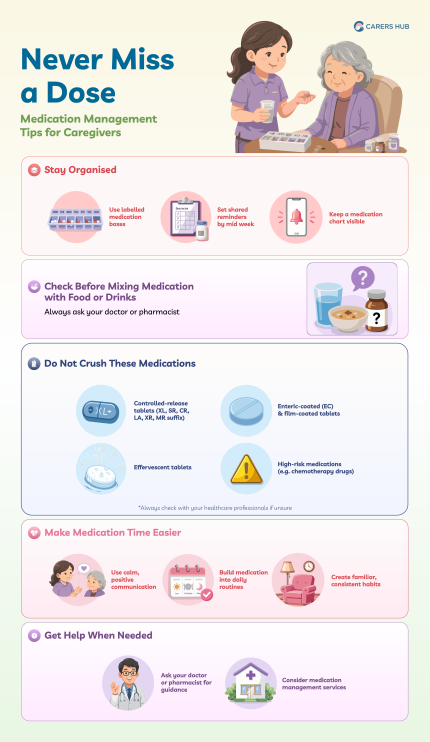
Never Miss a Dose: Medication Schedule Management Tips for Caregivers + Free Template
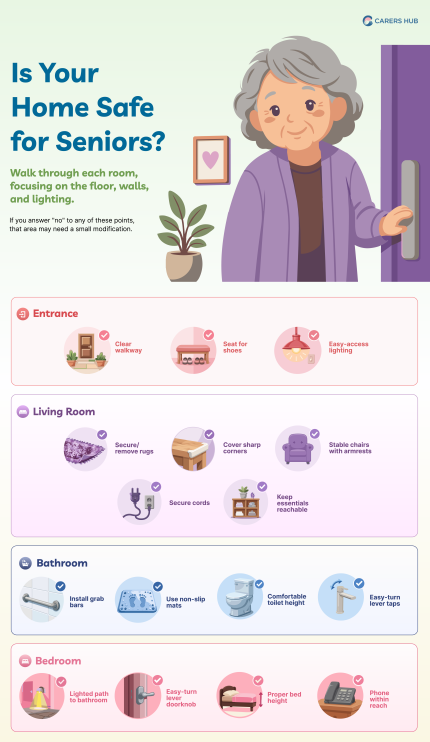
5 Simple Home Changes to Help Your Elderly Loved Ones Age Safely